Have you ever washed your car, dried it, and thought, “Why doesn't the paint look as good as it should?”
The car is clean, but under sunlight you can still see swirl marks, fine scratches, water spots, or a dull-looking finish.
That's where paint correction comes in.
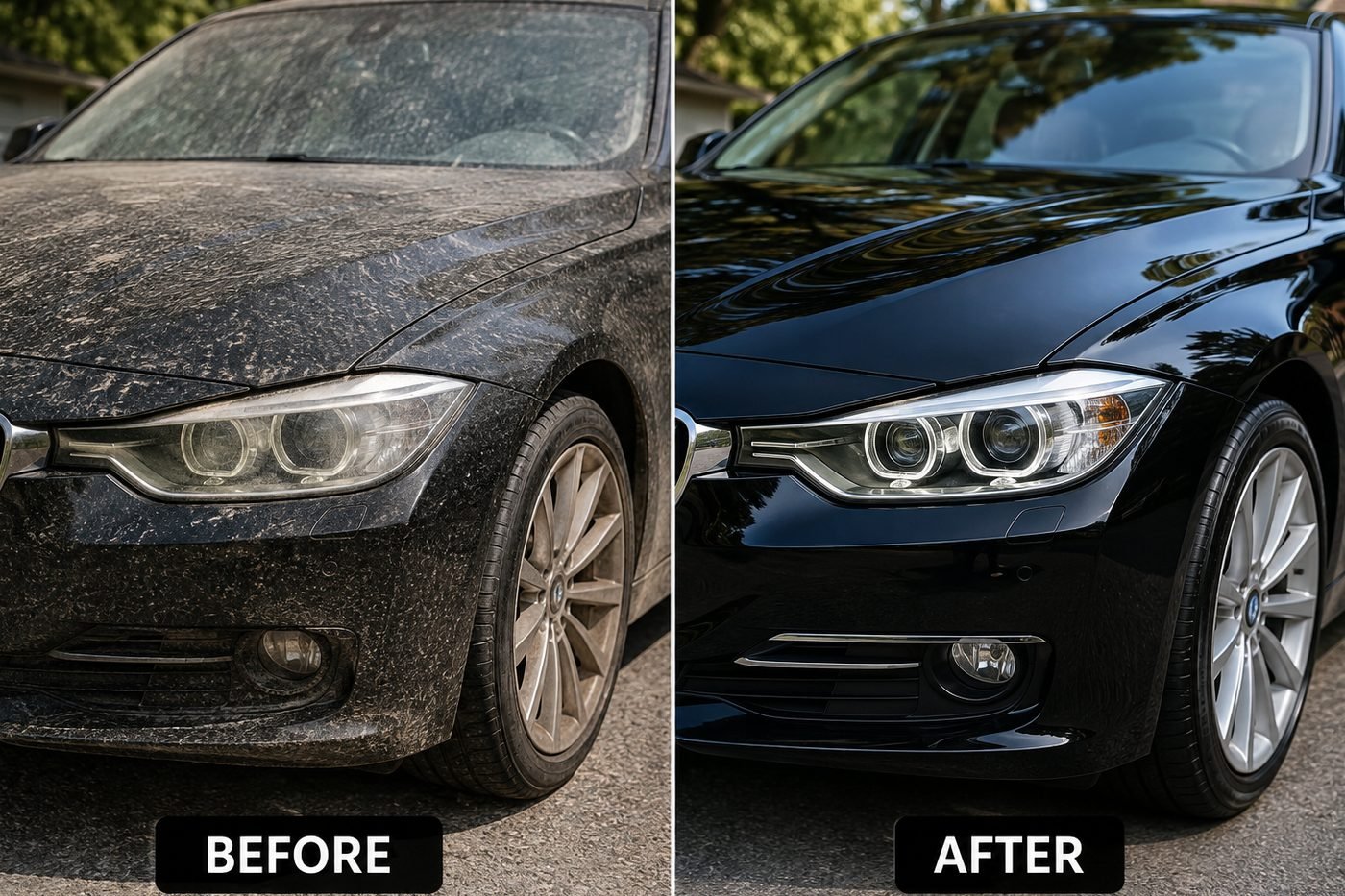
Paint correction is a professional polishing process that improves the appearance of your car's paint by reducing surface imperfections. It can make the paint look clearer, deeper, and much more reflective.
But here's the important part: paint correction isn't the same as simply making a car shiny. It's about improving the actual surface of the paint.
Paint correction uses polishing compounds, pads, and professional polishing machines to refine the vehicle's clear coat.
The process can help reduce the appearance of things like:
How much improvement you can get depends on the condition of the paint. A light swirl mark might be greatly reduced or removed, while a deep scratch may still be visible after correction.
Your car's paint goes through a lot. Every time you wash, dry, drive, or park your vehicle outside, the paint is exposed to things that can gradually affect its appearance.
Common causes include:
Over time, these small problems add up. The paint may still be perfectly clean, but it doesn't reflect light as clearly as it once did.
Swirl marks are those fine circular-looking marks you often notice under sunlight or bright lights. They're especially common on darker-colored vehicles and can make the paint look hazy. A proper polishing process can significantly improve their appearance.
Some scratches are shallow enough to be reduced or removed through polishing. However, not every scratch can be corrected. If the scratch has gone too deep into the paint, polishing won't completely remove it.
Water can leave behind mineral deposits that affect the look of the paint. Some water spots are sitting on top of the surface and can be removed during the detailing process. Others can actually etch into the paint and require more work.
Older or heavily exposed paint can develop a faded, chalky appearance. Paint correction can improve certain levels of oxidation and bring back more clarity and gloss.
Holograms are streaky or wavy-looking marks that can sometimes be caused by poor polishing techniques. A proper finishing process can help remove or reduce them.
This is one of the biggest things to understand before getting the service.
No, not every scratch can be safely polished away.
A scratch that only affects the upper part of the clear coat may respond very well to correction. A deeper scratch that reaches the paint underneath — or even the metal or plastic — requires a different type of repair.
Trying to polish too aggressively just to chase a deep scratch can remove more clear coat than is safe. That's why a professional should inspect the paint before deciding how much correction is appropriate.
They're related, but they're not the same thing.
Car detailing focuses mainly on cleaning and maintaining the vehicle. Paint correction focuses on the condition and appearance of the paint.
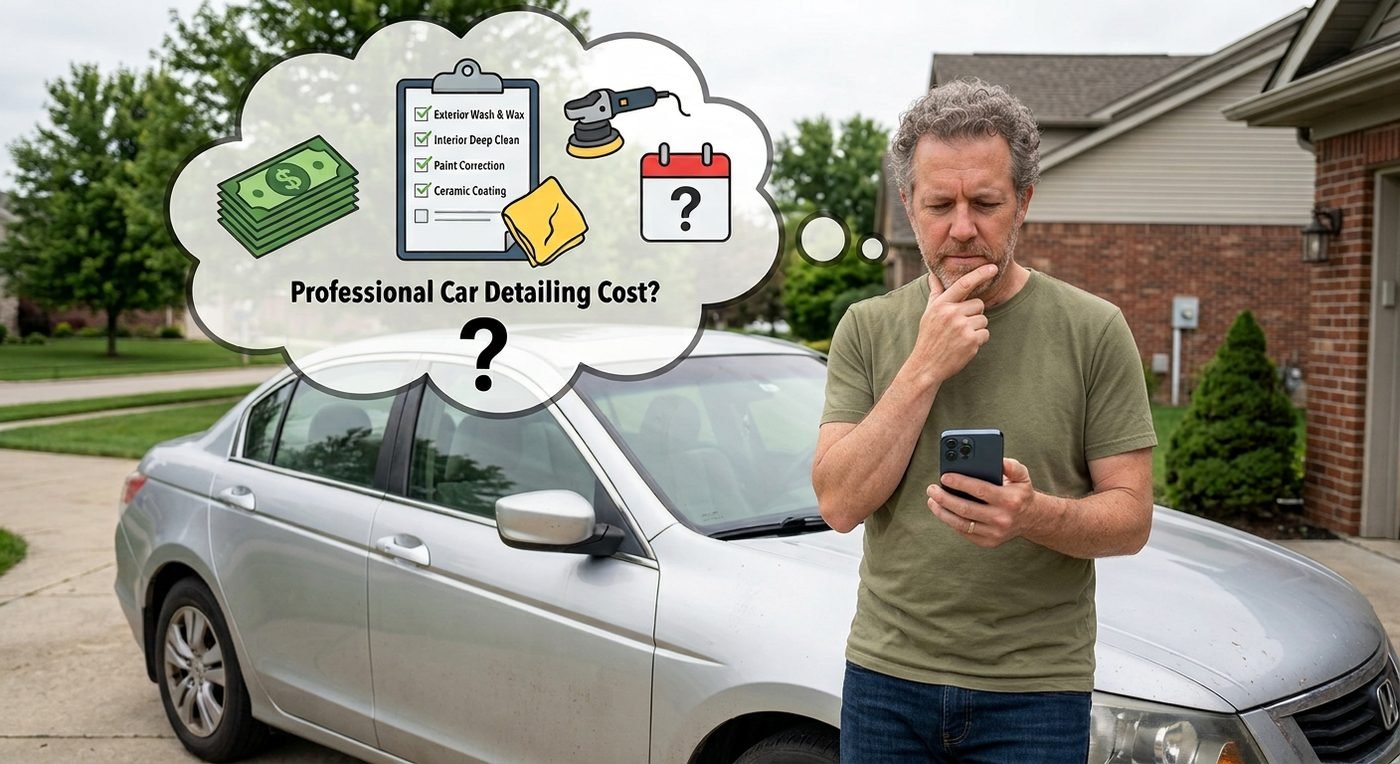
For example, you could get your car professionally detailed and end up with an extremely clean vehicle, but the swirl marks could still be there. Paint correction is the step that specifically addresses those paint imperfections. If you want the full cleaning picture too, see our guide on how much car detailing costs.
Waxing and paint correction serve different purposes.
Wax adds a layer of protection and can improve the shine. Paint correction works on the paint itself by polishing away or reducing certain imperfections.
So if your car has a lot of swirl marks, putting wax on top won't actually fix them. It may temporarily make the paint look better, but the defects are still underneath.
The exact process depends on the vehicle, but a professional correction usually starts with proper preparation.
The car needs to be thoroughly cleaned before anything is polished.
Some contaminants can remain attached to the paint even after washing. Depending on the vehicle, a clay bar or other decontamination method may be used.
The paint is checked under proper lighting so the detailer can identify the defects and determine how much correction is realistic.
Instead of immediately polishing the entire car, it's smart to test a small section first. This helps determine which pad and polishing combination gives the best result.
The vehicle is then polished using the chosen process. Some cars may need one stage. Others may need multiple stages to achieve the desired finish.
Once the correction is complete, the paint is inspected again to make sure the finish looks consistent.
No. If your paint is already in good condition, there may be no reason to correct it.
Paint correction makes more sense when you notice:
You don't need paint correction just because you own a car. It's a service for when the condition of the paint actually calls for it.
This depends on the vehicle. A newer car with light swirl marks might respond well to a one-step correction. A heavily neglected vehicle may require multiple stages.
The decision depends on:
A good detailer isn't trying to remove every tiny mark at any cost. The goal should be a major visual improvement while preserving as much healthy paint as possible.
Once you've improved the paint, you don't want to immediately put it back through the same conditions that caused the problems. Proper washing and drying are important for maintaining the finish. You can also add protection.
A wax or sealant can provide additional protection and help maintain the appearance of the paint.
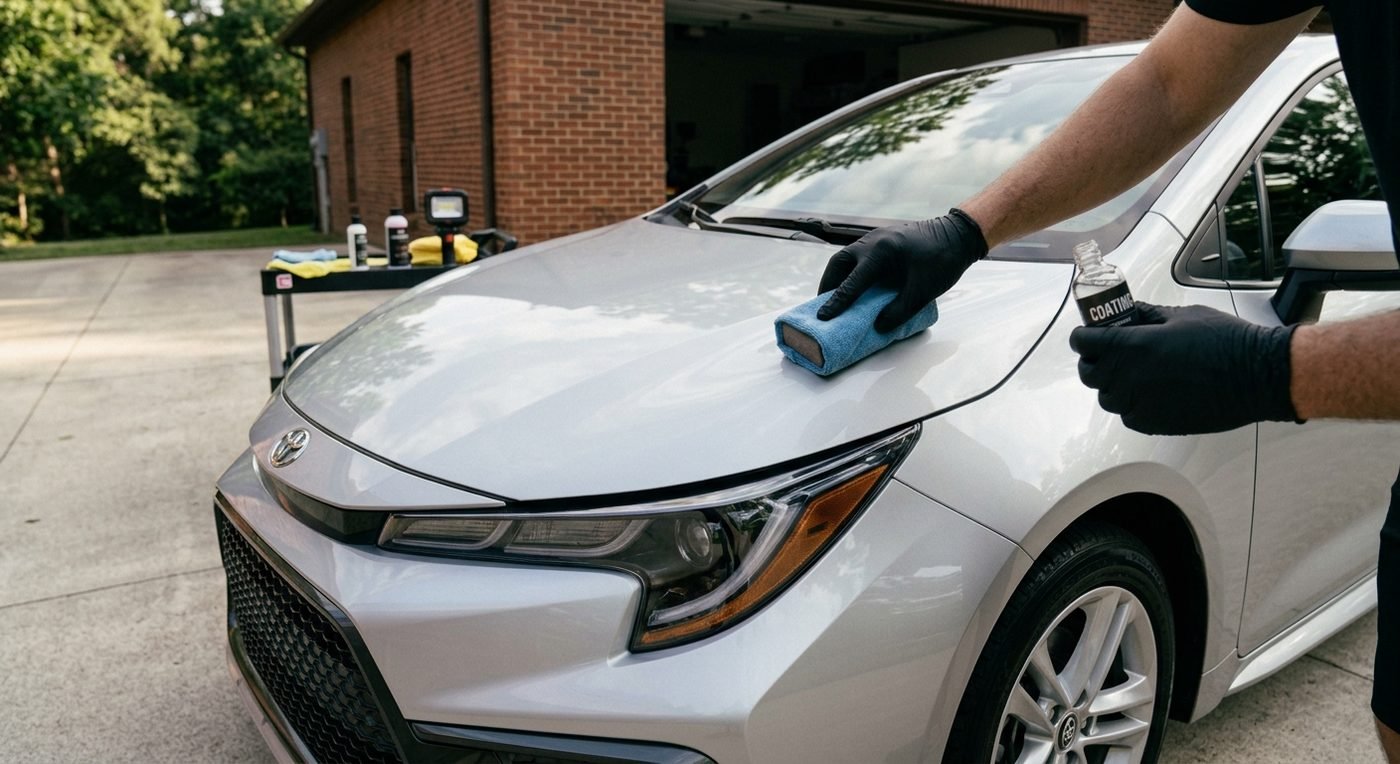
A ceramic coating adds a more durable protective layer and can provide hydrophobic properties. Paint correction is often done before ceramic coating because it makes sense to prepare and improve the paint before protecting it.
There isn't one fixed answer. A car with light defects may take considerably less time than a vehicle that has been neglected for years.
The time depends on:
A proper inspection is the best way to get a realistic estimate.
It can be, especially when your car's paint is bothering you every time you see it in the sunlight. If your vehicle looks clean but the paint still appears dull, hazy, or covered in swirl marks, another wash probably isn't going to solve the problem.
Paint correction addresses the paint itself. And you don't necessarily need to chase a “perfect” finish either. A good correction should give you a noticeable improvement while being sensible about how much paint is being removed.
Take your car outside on a bright day and look closely at the paint. Ask yourself:
If the answer is yes to several of these, paint correction may be worth considering.
Paint correction isn't simply another step in washing your car. It's a process designed to improve the actual appearance of your paint by reducing surface imperfections such as swirl marks, light scratches, oxidation, water spots, and haze.
Not every defect can be removed, and trying to remove every scratch isn't always the right approach.
The best results come from understanding the condition of the paint, setting realistic expectations, and choosing the right level of correction.
Ready to improve your paint? If your vehicle looks clean but the paint still doesn't look right, professional paint correction can help bring back the clarity and gloss you're missing.